Contents
Our quick picksHow we chose1. Jantex Glasswasher2. 350mm Glasswasher3. Commercial 500mm Pot Washer4. Glasswasher 500mm Glasswasher5. Buffalo 350mm Glasswasher6. Buffalo 400mm Stainless Steel Glasswashe7. Commercial 400mm Glasswasher8. Stalwart 350mm Glasswasher, 3500BTDD350mm, 400mm or larger basketsWater hardness and softenersDrain pumps, gravity drains and installationDetergent, rinse aid and daily careFAQsClean glasses are the first thing many customers judge a bar on. A smear or a lipstick mark can put someone off a second round, and washing by hand on a busy night simply cannot keep up. A commercial glasswasher turns a stack of dirty pints into sparkling, sanitised glasses in a couple of minutes. It also frees staff to serve rather than stand at a sink.
In this guide we compare compact 350mm machines with larger 400mm and 450mm models, and explain the features that affect results: rinse temperature, drain pumps, built in softeners and the detergent and rinse aid you feed them. Use it to match a machine to your glasses, your water and the space under your bar. We finish with the daily care routine that keeps any machine running well.
Our picks at a glance
- Jantex Glasswasher: best overall, £26.87
- 350mm Glasswasher: best budget, £39.22
- Commercial 500mm Pot Washer: best compact, £1,429.99
- Glasswasher 500mm Glasswasher: best for tall glasses, £49.55
- Buffalo 350mm Glasswasher: best with built in softener, £1,150.79
- Buffalo 400mm Stainless Steel Glasswasher: best with drain pump, £2,039.99
- Commercial 400mm Glasswasher: best for busy pubs, £1,357.62
- Stalwart 350mm Glasswasher, 3500BTDD: best for cafes, £1,454.40
How we chose
We focused on purpose built glasswashers with clear basket sizes, stated cycle times and rinse temperatures, and options for drain pumps and softeners. We included compact machines for cafes and small bars as well as larger units that take tall glasses and pint jugs. Where models looked similar, customer ratings and the number of reviews helped us pick, and we kept a range of prices so there is a sensible choice at each budget.

1.Jantex Glasswasher
Jantex Glasswasher is our pick for overall. Specs worth noting: material Plastic. Rated 4.5 out of 5. £26.87, one of the cheaper options here. You can see the full specs and photos on the Jantex Glasswasher page.
Compare it with the rest of our glasswashers 400mm and up.

2.350mm Glasswasher
If you want the best budget, start here. Specs worth noting: size 350mm. Rated 5.0 out of 5. £39.22, one of the cheaper options here. Full details, sizes and photos are on the 350mm Glasswasher page.
Wine Glasses and Stemware
Capacity: 12-pint glasses L350 x W350 x H125mm
Compare it with the rest of our glasswashers 350mm.

3.Commercial 500mm Pot Washer
If you want the best compact, start here. Specs worth noting: size 500mm. Rated 5.0 out of 5. £1,429.99, so you pay a bit more for the spec. Full details, sizes and photos are on the Commercial 500mm Pot Washer page.
Compare it with the rest of our glasswashers 400mm and up.

4.Glasswasher 500mm Glasswasher
This is the one we would point most people to for for tall glasses. Specs worth noting: size 500mm, material Glass. Rated 4.3 out of 5. £49.55, one of the cheaper options here. Have a look at the Glasswasher 500mm Glasswasher for the full spec.
Classeq Glass Washer Basket
Capacity: 25 Pint Glasses
There are other options in our glasswashers 400mm and up range too.

5.Buffalo 350mm Glasswasher
Buffalo 350mm Glasswasher is our pick for with built in softener. Specs worth noting: dimensions 600x420x460mm, size 350mm. £1,150.79, one of the cheaper options here. You can see the full specs and photos on the Buffalo 350mm Glasswasher page.
Compare it with the rest of our glasswashers 400mm and up.
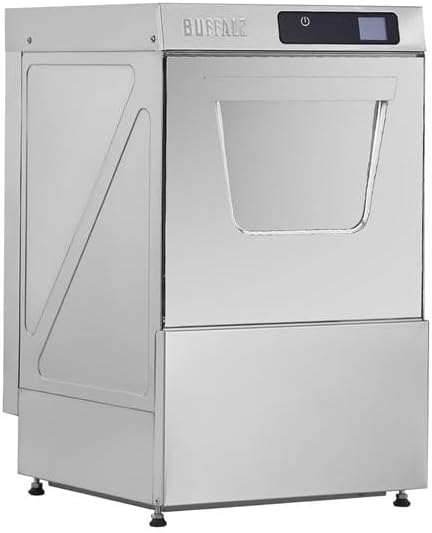
6.Buffalo 400mm Stainless Steel Glasswasher
If you want the best with drain pump, start here. Specs worth noting: size 400mm, material Stainless Steel. £2,039.99, so you pay a bit more for the spec. Full details, sizes and photos are on the Buffalo 400mm Stainless Steel Glasswasher page.
Compare it with the rest of our glasswashers 400mm and up.

7.Commercial 400mm Glasswasher
This is the one we would point most people to for for busy pubs. Specs worth noting: size 400mm. £1,357.62, one of the cheaper options here. Have a look at the Commercial 400mm Glasswasher for the full spec.
Compare it with the rest of our glasswashers 400mm and up.

8.Stalwart 350mm Glasswasher, 3500BTDD
This is the one we would point most people to for for cafes. Specs worth noting: size 350mm. £1,454.40, so you pay a bit more for the spec. Have a look at the Stalwart 350mm Glasswasher, 3500BTDD for the full spec.
If it is not quite right, we stock plenty more glasswashers 400mm and up.
Prefer to browse everything? Our full ranges of glasswashers 400mm and up and glasswashers 350mm have more sizes, finishes and price points than we could fit here.
350mm, 400mm or larger baskets
Basket size decides what fits and how many glasses go through per cycle. A 350mm machine is compact and fits under tight counters, but tall glasses, stemware and pint jugs may not clear the door. A 400mm basket handles most pint glasses and wine glasses comfortably, and 450mm or 500mm machines can take crockery and larger items too. Measure your tallest glass before anything else. Stemware often needs the extra height most of all.
Bigger is not always better. A large machine takes longer to fill and uses more water and power, so if most of your trade is half pints and coffee cups, a compact model may be the efficient choice. Many pubs pick a 400mm machine as the middle ground, because it handles the full range of glassware without dominating the space behind the bar. It also leaves room for a pint jug or two at the end of the night.
Water hardness and softeners
Hard water is the enemy of clean glasses. Limescale leaves a cloudy film, blocks spray arms and coats the heating elements, which shortens the life of the machine. Much of England, especially the south and east, has hard water, so a softener is often essential. Some glasswashers have one built in, while others need a separate external softener fitted on the water feed. Scale also builds up inside pipes and pumps where you cannot see it until something fails.
Built in softeners save space and are simple to use, but they need topping up with salt regularly. External softeners can serve more than one machine. Your water company publishes hardness for your postcode, which is a good starting point. Ask your supplier what they recommend for your area, as the wrong set up can void a warranty if scale causes a failure. Test strips are cheap and give a quick check if you are unsure how hard your supply really is.
Drain pumps, gravity drains and installation
Every glasswasher needs to get rid of dirty water. Gravity drain models rely on a drain point lower than the machine outlet, which is not always possible under a bar. A drain pump pushes water up and out, so the machine can sit lower than the drain or further away from it. If you are unsure, a pump is the safer choice, and many machines offer it as a factory option.
You will also need a cold or hot water feed, depending on the model, and a suitable electrical supply. Most compact glasswashers run from a 13 amp plug, while larger machines may need a hard wired supply. Check this early, because wiring changes can add cost. Leave enough room in front to load baskets and to pull the machine out for servicing. Plan the pipe and cable routes before the bar is built, as access later can be difficult.
Detergent, rinse aid and daily care
The machine is only half the result. Use detergent and rinse aid designed for commercial glasswashers, dosed by the machine's pumps rather than by hand, and set the dose to suit your water. Too little leaves residue, and too much can leave a film or strip the finish on glasses. Many suppliers will set up dosing for you when the machine is installed. Keep spare chemical containers in a safe, dry place away from food and glassware.
At the end of each shift, drain the machine, pull out the filters and spray arms, rinse them, and leave the door open to air dry. That small routine stops food and lime building up and keeps glasses smelling fresh. Store glasses upside down in baskets or racks rather than stacked, so they dry fully and avoid chips. Check rubber seals on the door for cracks too, since a leaking seal lets water run under the bar.
Frequently asked questions
What is the difference between a glasswasher and a dishwasher?
Glasswashers run at slightly lower temperatures with gentler cycles suited to glass, and usually have shorter baskets. Dishwashers use hotter water and stronger sprays to remove food. Some larger glasswashers can do light crockery, but a dedicated dishwasher is better for plates.
Do I need a water softener for my glasswasher?
In hard water areas a softener is usually needed to prevent limescale. Some machines have one built in. Check your water company's hardness figure and ask the supplier whether your machine needs an external softener.
How long does a glasswasher cycle take?
Most commercial glasswashers complete a cycle in roughly two to three minutes, though this varies by model and setting. Check the stated cycle times when comparing machines, especially if you expect high volumes at peak times.
Can a glasswasher run from a normal plug?
Many compact models run from a 13 amp socket. Larger or faster machines may need a hard wired supply. Always check the electrical specification before buying and ask an electrician if you are unsure. An electrician can confirm your supply before installation.
How do I stop glasses coming out cloudy?
Cloudiness usually points to hard water, wrong chemical dosing or a dirty machine. Check the softener salt, review detergent and rinse aid settings, and clean the filters and spray arms. If problems persist, ask a service engineer to check the machine.