Contents
Our quick picksHow we chose1. Subcold 80L Black Undercounter Fridge2. Cookology 93L Black Undercounter Fridge3. Cookology 93L White Undercounter Fridge4. Cookology 98L Stainless Steel Undercount5. Cookology 130L Black Undercounter Fridge6. Subcold 88L Black Undercounter Fridge7. Dellonda 85L Black Undercounter Fridge8. Subcold 95L White Undercounter FridgeWhy a commercial fridge rather than a domestic oneClimate class and where the fridge will liveCapacity, shelves and gastronorm fitRunning costs, refrigerants and noiseDoors, locks and day to day careFAQsAn undercounter fridge is often the hardest working box in a small kitchen. It sits right by the line, gets opened hundreds of times a service, and has to pull back down to temperature every time a chef grabs a tub of butter. A domestic model under the worktop will struggle with that pace, and it can leave you exposed at an inspection.
This guide covers single and double door undercounter fridges, plus prep counters for kitchens that need more space at worktop height. We explain what the specs mean in practice, so you can compare models on the things that keep food safe and service moving, rather than on the photo alone. We also flag the points that tend to catch buyers out, such as venting, door hinges and depth, before you commit to a unit.
Our picks at a glance
- Subcold 80L Black Undercounter Fridge: best overall, £239.99
- Cookology 93L Black Undercounter Fridge: best budget, £110.49
- Cookology 93L White Undercounter Fridge: best for small cafes, £129.99
- Cookology 98L Stainless Steel Undercounter Fridge: best for hot kitchens, £229.49
- Cookology 130L Black Undercounter Fridge: best for gastronorm pans, £144.49
- Subcold 88L Black Undercounter Fridge: best double door, £169.99
- Dellonda 85L Black Undercounter Fridge: best with castors, £209.98
- Subcold 95L White Undercounter Fridge: best for bars, £159.99
How we chose
We started with the details that matter in a working kitchen: a climate class suitable for hot rooms, a stainless or easy wipe interior, adjustable shelves or runners, and a digital controller that shows the actual cabinet temperature. We then spread the picks across budgets and sizes, from a compact single door for a coffee shop to a deeper unit that takes gastronorm pans. Customer ratings and the number of reviews helped us break ties between similar listings.
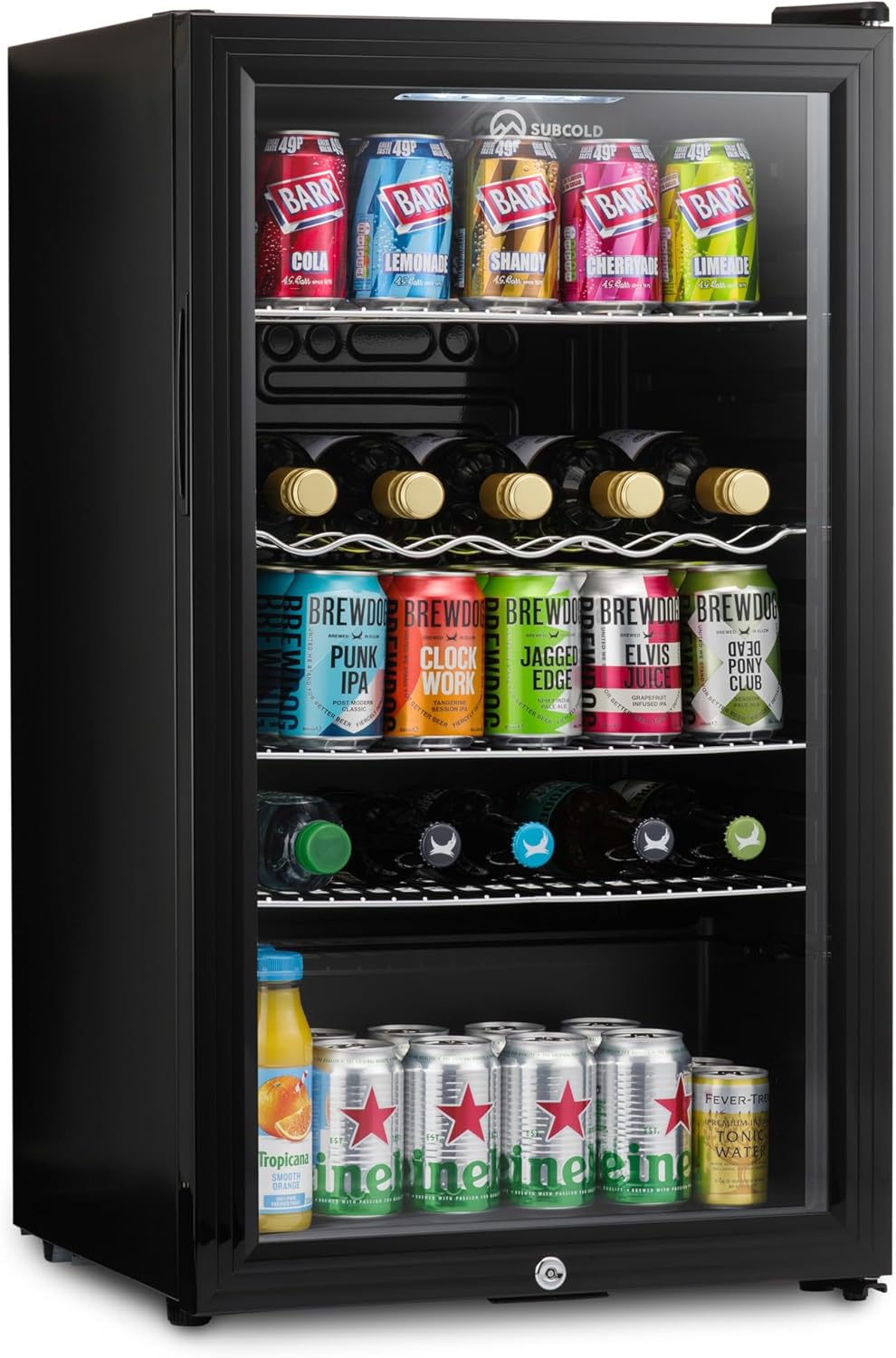
1.Subcold 80L Black Undercounter Fridge
Subcold 80L Black Undercounter Fridge is our pick for overall. Specs worth noting: colour Black. It averages 4.5 stars from 2,874 reviews. £239.99, so you pay a bit more for the spec. You can see the full specs and photos on the Subcold 80L Black Undercounter Fridge page.
Black
There are other options in our undercounter fridges range too.

2.Cookology 93L Black Undercounter Fridge
Cookology 93L Black Undercounter Fridge is our pick for budget. Specs worth noting: colour Black. 1,711 buyers rate it 4.1 out of 5. £110.49, one of the cheaper options here. You can see the full specs and photos on the Cookology 93L Black Undercounter Fridge page.
Black
If it is not quite right, we stock plenty more undercounter fridges.
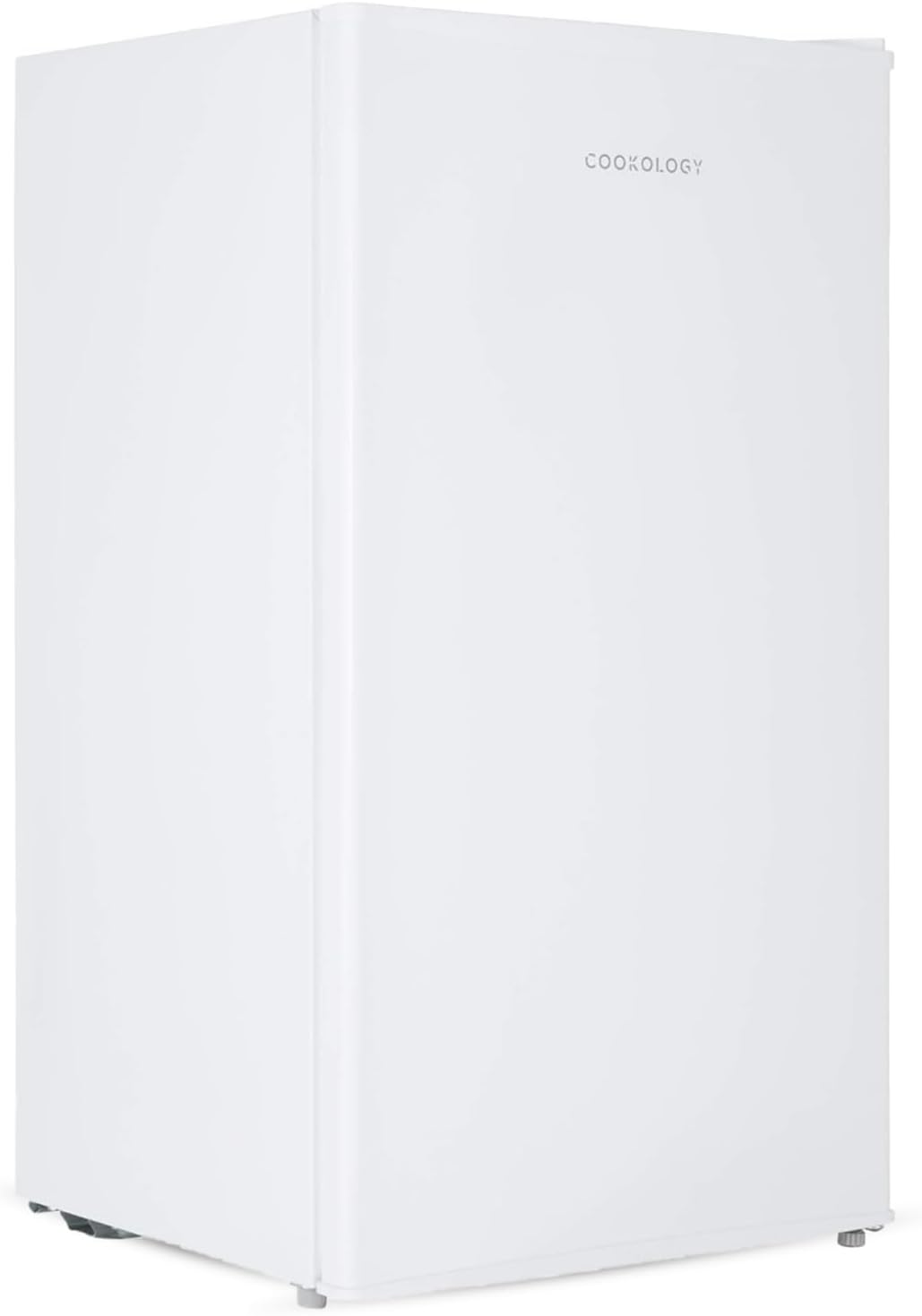
3.Cookology 93L White Undercounter Fridge
If you want something for small cafes, start here. Specs worth noting: colour White. It averages 4.1 stars from 1,711 reviews. £129.99, one of the cheaper options here. Full details, sizes and photos are on the Cookology 93L White Undercounter Fridge page.
White
There are other options in our undercounter fridges range too.

4.Cookology 98L Stainless Steel Undercounter Fridge
Cookology 98L Stainless Steel Undercounter Fridge is our pick for for hot kitchens. Specs worth noting: material Stainless Steel. 617 buyers rate it 4.5 out of 5. £229.49, so you pay a bit more for the spec. You can see the full specs and photos on the Cookology 98L Stainless Steel Undercounter Fridge page.
If it is not quite right, we stock plenty more undercounter fridges.

5.Cookology 130L Black Undercounter Fridge
Cookology 130L Black Undercounter Fridge is our pick for for gastronorm pans. Specs worth noting: colour Black. It averages 4.4 stars from 567 reviews. £144.49, one of the cheaper options here. You can see the full specs and photos on the Cookology 130L Black Undercounter Fridge page.
There are other options in our undercounter fridges range too.

6.Subcold 88L Black Undercounter Fridge
Subcold 88L Black Undercounter Fridge is our pick for double door. Specs worth noting: colour Black. 407 buyers rate it 4.6 out of 5. £169.99, one of the cheaper options here. You can see the full specs and photos on the Subcold 88L Black Undercounter Fridge page.
0-8°C
Black
If it is not quite right, we stock plenty more undercounter fridges.

7.Dellonda 85L Black Undercounter Fridge
This is the one we would point most people to for with castors. Specs worth noting: colour Black. 502 buyers rate it 4.4 out of 5. £209.98, so you pay a bit more for the spec. Have a look at the Dellonda 85L Black Undercounter Fridge for the full spec.
Internal Light & Security Lock 85L
Black
Compare it with the rest of our undercounter fridges.

8.Subcold 95L White Undercounter Fridge
This is the one we would point most people to for for bars. Specs worth noting: colour White. It averages 4.2 stars from 644 reviews. £159.99, one of the cheaper options here. Have a look at the Subcold 95L White Undercounter Fridge for the full spec.
Ice Box
Lock
There are other options in our undercounter fridges range too.
Prefer to browse everything? Our full ranges of undercounter fridges, refrigerated prep counters and upright fridges have more sizes, finishes and price points than we could fit here.
Why a commercial fridge rather than a domestic one
A commercial fridge is built around recovery. Every time the door opens, warm kitchen air rushes in, and the compressor needs the power to bring the cabinet back to 0 to 5 degrees quickly. Domestic fridges are designed for a cool home and a few openings a day, so in a busy kitchen they can drift above safe temperatures for long stretches. Commercial units also use tougher hinges, self-closing doors and seals that can be swapped when they wear out.
There is a paperwork side as well. Environmental health officers expect chilled food to be held at 8 degrees or below by law, and most kitchens aim for 5 degrees or lower in their own food safety plan. A fridge with a clear digital display makes the twice daily temperature check quick, and many models will sound an alarm if the door is left ajar or the cabinet warms up.
Climate class and where the fridge will live
Climate class tells you the room temperature a fridge is rated to work in. Class 4 units are tested to run in rooms up to 30 degrees, and class 5 units up to 40 degrees. A pass or line next to fryers and ovens can easily sit above 30 degrees in summer, so a class 5 rating gives you a useful margin. Front of house in a cooler coffee shop, a class 4 fridge is usually fine and often cheaper to buy.
Think about airflow too. Most undercounter fridges breathe from the front through a grille near the floor, which means they can sit snug under a worktop. Some cheaper models vent from the back or the top and need a gap of several centimetres around them. If the fridge cannot get rid of its heat, it will run constantly, use more power and wear out sooner, so check the installation notes before you buy.
Capacity, shelves and gastronorm fit
Undercounter fridges usually run from around 120 litres for a slim single door to about 150 litres for a standard 600mm wide model. That sounds like a lot, but the usable space depends on the shelving. Look for at least two adjustable shelves, and check whether the runners accept 1/1 gastronorm pans if you plan to store prepped food in GN containers. Being able to slide a full pan straight in saves decanting and cuts handling.
Depth matters more than people expect. Standard kitchen worktops are 600mm or 700mm deep, and a fridge that sticks out past the edge becomes a hazard in a narrow kitchen. Measure the height under your counter as well, allowing for any adjustable feet or castors. If you need more than one door of space, a two or three door prep counter gives you the same chilled storage with a usable worktop on top.
Running costs, refrigerants and noise
Most current commercial fridges use natural refrigerants such as R600a or R290, which have a low global warming impact and tend to be efficient. Many models now carry an energy label, which gives you a quick way to compare annual running costs between similar sized units. A fridge that is a little dearer to buy but uses less electricity can pay back the difference over a few years, especially if it runs around the clock.
Noise is worth a thought in open kitchens and front of house. Compressors in undercounter units sit close to customers and staff, and some are much louder than others. If the fridge will be under a coffee bar, look for a published noise figure where one is given. Automatic defrost is another useful feature, because it keeps ice from building up on the evaporator without anyone needing to empty the cabinet.
Doors, locks and day to day care
Solid doors hold temperature better and hide clutter, while glass doors let staff see stock without opening up, which suits bars and grab and go counters. Check that the door can be rehung on the other side if your layout needs it, and look for a lock if the fridge will be in a shared or customer facing area. Self closing doors are a small feature that saves a lot of warm air over a long shift.
Cleaning is easier with rounded internal corners, removable shelves and a magnetic door gasket that can be pulled off and replaced. Gaskets are the part that wears out first, and a split one lets cold air leak out all day. Wipe the seals weekly, clear the condenser grille of dust and grease every month or so, and the fridge will run cooler and last longer. A fridge that is looked after this way also holds its temperature more evenly, which makes your daily records easier to keep.
Frequently asked questions
What temperature should a commercial undercounter fridge be set to?
The legal limit in England for most chilled food is 8 degrees, but most kitchens set fridges between 1 and 5 degrees to leave a margin. Check the reading at the start and end of each day and write it down in your food safety records.
Can I use a domestic fridge in a commercial kitchen?
There is no outright ban, but a domestic fridge often cannot hold temperature with frequent door openings or in a hot kitchen. If it fails to keep food cold, you are responsible. Most operators find a commercial unit far easier to keep compliant.
What does climate class 4 or 5 mean?
It is the room temperature the fridge is rated to work in. Class 4 covers rooms up to 30 degrees and class 5 up to 40 degrees. Kitchens with ovens and fryers nearby are better served by class 5.
How much space does an undercounter fridge need around it?
Front venting models can sit tight under a worktop. Rear or top venting models need a gap for air to move, often a few centimetres each side and more at the back. The manufacturer's manual gives the exact clearances.
How often should I clean the condenser?
Every four to six weeks is a sensible routine in most kitchens, and more often near fryers where grease builds up. A blocked condenser makes the compressor work harder, raises running costs and can lead to breakdowns.