Contents
Our quick picksHow we chose1. Krups Coffee 200W Black Coffee Grinder2. SHARDOR Coffee Grinder, 2 Removable Cups3. De'Longhi Bean To Cup Machine4. De'Longhi Black Espresso Machine5. De'Longhi Espresso Machine6. De'Longhi Black Espresso Machine, Manual7. De'Longhi Green Espresso Machine8. De'Longhi Coffee GrinderHow many groups do you needBoilers, steam and recoveryWater supply, filtration and drainageGrinders and bean to cup alternativesFAQsThe espresso machine is often the most expensive single item in a coffee shop and the one that customers watch being used. It decides how quickly you can serve a queue, how consistent your coffee tastes, and how much time staff spend fighting the kit rather than making drinks. It is a purchase that rewards some planning before you sign anything.
This guide covers traditional espresso machines from one to three groups, with grinders and bean to cup machines for sites that need a simpler option. We explain groups, boilers, steam and water supply in plain language, so you can match a machine to the trade you expect. We also touch on servicing and filtration, which have a large effect on how long a machine lasts.
Our picks at a glance
- Krups Coffee 200W Black Coffee Grinder: best overall, £17.99
- SHARDOR Coffee Grinder, 2 Removable Cups Grinder: best budget, £35.99
- De'Longhi Bean To Cup Machine: best single group, £319.99
- De'Longhi Black Espresso Machine: best two group, £129.00
- De'Longhi Espresso Machine: best for busy cafes, £162.99
- De'Longhi Black Espresso Machine, Manual Espresso Machine Manual: best grinder, £86.32
- De'Longhi Green Espresso Machine: best bean to cup, £89.00
- De'Longhi Coffee Grinder: best for kiosks, £39.90
How we chose
We looked for commercial espresso machines with clear group numbers, boiler sizes and power ratings, plus features such as volumetric dosing and hot water taps. We included compact single group machines for small cafes and kiosks, two and three group models for busier sites, and a few grinders and bean to cup options. Ratings and the number of reviews helped us choose between similar machines.

1.Krups Coffee 200W Black Coffee Grinder
Krups Coffee 200W Black Coffee Grinder is our pick for overall. Specs worth noting: power 200W, colour Black. 68,643 buyers rate it 4.5 out of 5. £17.99, one of the cheaper options here. You can see the full specs and photos on the Krups Coffee 200W Black Coffee Grinder page.
75g Capacity
Black
If it is not quite right, we stock plenty more coffee grinders.

2.SHARDOR Coffee Grinder, 2 Removable Cups Grinder
SHARDOR Coffee Grinder, 2 Removable Cups Grinder is our pick for budget. 6,760 buyers rate it 4.4 out of 5. £35.99, one of the cheaper options here. You can see the full specs and photos on the SHARDOR Coffee Grinder, 2 Removable Cups Grinder page.
Compare it with the rest of our coffee grinders.

3.De'Longhi Bean To Cup Machine
De'Longhi Bean To Cup Machine is our pick for single group. It averages 4.3 stars from 50,428 reviews. £319.99, so you pay a bit more for the spec. You can see the full specs and photos on the De'Longhi Bean To Cup Machine page.
Bean to Cup Espresso Machine with 4 One-Touch Recipes
Soft-Touch Control Panel
Compare it with the rest of our bean to cup machines.

4.De'Longhi Black Espresso Machine
This is the one we would point most people to for two group. Specs worth noting: colour Black. 46,841 buyers rate it 4.2 out of 5. £129.00, so you pay a bit more for the spec. Have a look at the De'Longhi Black Espresso Machine for the full spec.
Coffee and Cappuccino Maker
EC685BK
Ratings a little lower than the top picks
Compare it with the rest of our espresso machines.

5.De'Longhi Espresso Machine
De'Longhi Espresso Machine is our pick for for busy cafes. Specs worth noting: colour Red. It averages 4.2 stars from 46,841 reviews. £162.99, so you pay a bit more for the spec. You can see the full specs and photos on the De'Longhi Espresso Machine page.
Ratings a little lower than the top picks
There are other options in our espresso machines range too.

6.De'Longhi Black Espresso Machine, Manual Espresso Machine Manual
This is the one we would point most people to for grinder. Specs worth noting: colour Black. 17,230 buyers rate it 4.2 out of 5. £86.32, one of the cheaper options here. Have a look at the De'Longhi Black Espresso Machine, Manual Espresso Machine Manual for the full spec.
If it is not quite right, we stock plenty more espresso machines.

7.De'Longhi Green Espresso Machine
De'Longhi Green Espresso Machine is our pick for bean to cup. Specs worth noting: colour Green. It averages 4.2 stars from 17,230 reviews. £89.00, one of the cheaper options here. You can see the full specs and photos on the De'Longhi Green Espresso Machine page.
There are other options in our espresso machines range too.
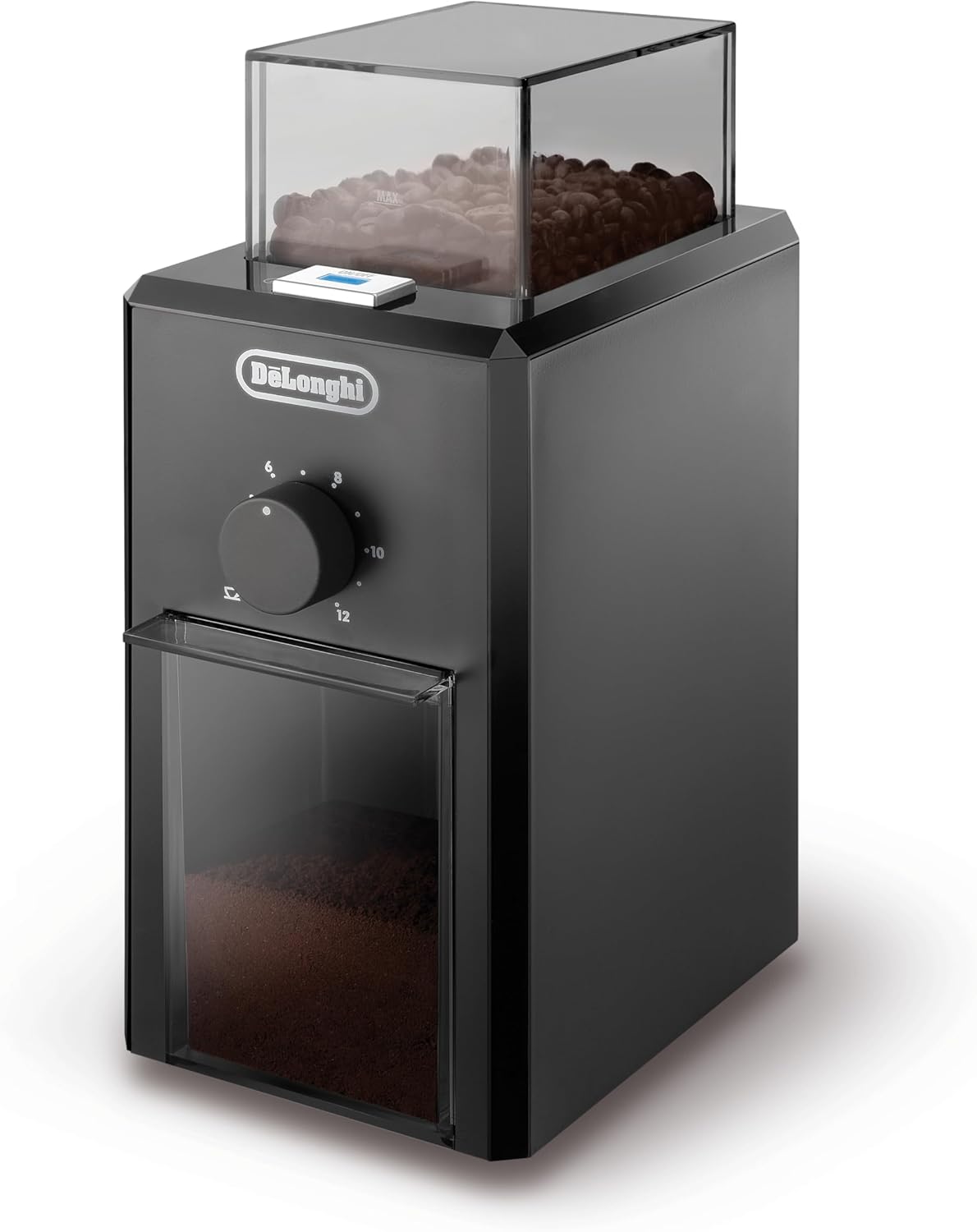
8.De'Longhi Coffee Grinder
This is the one we would point most people to for for kiosks. It averages 4.4 stars from 8,878 reviews. £39.90, one of the cheaper options here. Have a look at the De'Longhi Coffee Grinder for the full spec.
16 Grind Settings
There are other options in our coffee grinders range too.
Prefer to browse everything? Our full ranges of espresso machines, coffee grinders and bean to cup machines have more sizes, finishes and price points than we could fit here.
How many groups do you need
A group is the part of the machine where the portafilter locks in and coffee is brewed. Each group can make one or two shots at a time. A single group machine suits a kiosk, a small cafe or a restaurant that sells coffee alongside food. Two group machines are the usual choice for a dedicated coffee shop, while three groups suit very busy sites with more than one barista.
Plan for your busiest hour rather than an average day. If you expect a queue every morning, a second group can make a big difference to waiting times. More groups also mean more steam wands and more boiler capacity, which helps when milk drinks make up most of your orders. Bear in mind that more groups need more counter space and power. A busy cafe that grows quickly may outgrow a single group within a year.
Boilers, steam and recovery
Most commercial espresso machines use a large boiler to make steam and hot water, with heat exchangers or separate boilers to supply each group. A bigger boiler holds more steam, so baristas can texture milk for longer without the pressure dropping. That matters in cafes where lattes and cappuccinos are the main sellers. Some machines also have separate boilers for each group, which can improve temperature control for each shot.
Recovery is how quickly the machine gets back up to pressure after heavy use. Higher power elements recover faster, but they need a suitable electrical supply. Larger machines are often hard wired and some need three phase power. Check the requirements early and ask an electrician to confirm your supply can cope with the machine you want. An undersized supply can also lead to slow recovery and frustrated baristas. It also keeps steam pressure steady through a rush.
Water supply, filtration and drainage
Commercial espresso machines usually connect to a mains water feed and a drain. A plumbed machine never runs out of water mid service, and the drain takes away waste from the drip tray. Some smaller machines can run from a tank, which suits markets and mobile units, but they need regular refilling. Mobile units should check how much water they need for a full day of trade before choosing a tank model.
Water quality has a big effect on taste and on the life of the machine. Hard water leaves scale in boilers and pipes, which can lead to costly repairs. A good water filter or softener designed for coffee machines is strongly advised, and many manufacturers require one for the warranty to be valid. Change the filter on schedule and keep a record. Scale damage is one of the most common reasons for repairs.
Grinders and bean to cup alternatives
A good grinder is just as important as the espresso machine. Commercial grinders use larger burrs and stronger motors than home models, and on demand grinders dose fresh coffee straight into the portafilter. Choose a grinder that can keep up with your busiest hour and is easy to adjust as beans and weather change through the day. Many cafes keep a second grinder for decaf or guest coffee. Weigh doses regularly to keep shots consistent.
If staff turnover is high or coffee is not your main focus, a bean to cup machine may suit better. These grind, brew and often froth milk at the press of a button, so less training is needed. The trade off is less control over the drink. Many hotels, offices and pubs use bean to cup machines successfully. They also tend to take up less counter space than an espresso machine and grinder.
Frequently asked questions
What size espresso machine does a small cafe need?
Many small cafes start with a two group machine, which gives room to grow and handles a morning queue. A single group can work for kiosks and food led cafes with modest coffee sales. Think about your busiest hour when deciding.
Do commercial espresso machines need plumbing?
Most commercial machines connect to a water feed and drain for steady supply and easy cleaning. Some smaller models can run from a tank, which suits mobile units and events, but they need regular refilling and emptying.
Do I need a water filter for my coffee machine?
A filter or softener is strongly recommended, especially in hard water areas, to protect the machine from scale and to improve taste. Many manufacturers require one for warranty purposes. Ask your supplier which filter suits your water.
Is bean to cup better than traditional espresso?
Neither is better in every case. Bean to cup is quicker to learn and gives consistent drinks with little training. Traditional machines give baristas more control and are often preferred in specialist coffee shops. Many sites do well with either, so start from who will be making the drinks and how many you expect to sell.
How often should an espresso machine be serviced?
A yearly service is a common recommendation, with more frequent checks in busy cafes or hard water areas. Daily backflushing and cleaning of group heads and steam wands help keep the machine in good condition.